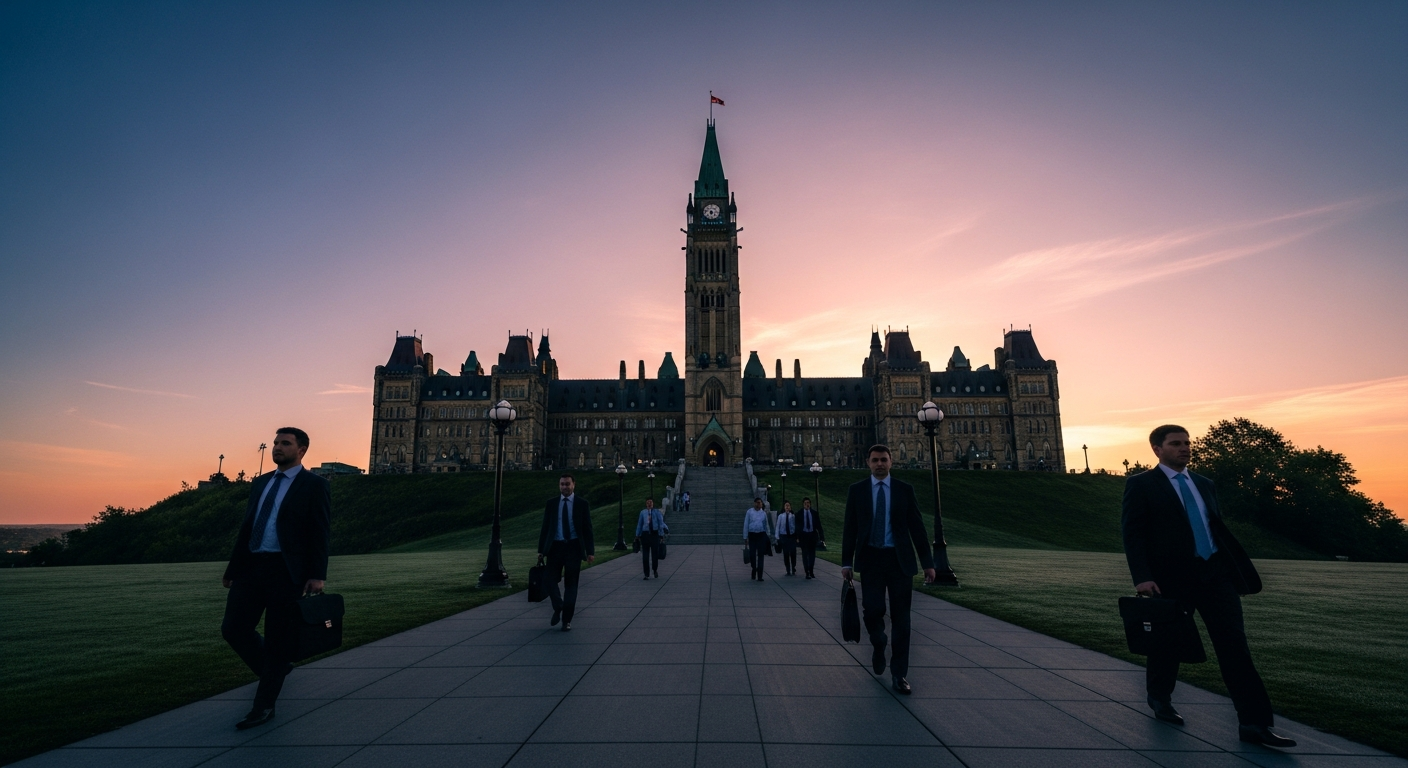
Canada’s Upcoming Election: What HR and Business Leaders Need to Know
With new leadership in the Liberal Party, the election landscape has shifted. Depending on the outcome, we could see changes in financial policies, climate initiatives, and economic strategies—all of which will impact business planning and HR decision-making.
How This Election Could Shake Up HR and Business
1. Changes to Employment Laws and Worker Protections
A new government could mean shifts in labor laws—things like minimum wage increases, sick leave requirements, and protections for gig workers. Carney’s background in economics suggests he’ll focus on financial stability, but what does that mean for workers? We don’t know yet, but different political parties have their own takes on:
- Paid sick leave and work-from-home rights
- Employment Insurance (EI) and parental leave policies
- Workplace safety rules and protections for vulnerable employees
- Unionization and collective bargaining rights
HR teams need to stay tuned and be ready to adjust policies accordingly.
2. Immigration and Talent
Canada’s workforce depends on immigration. If policies shift, companies that rely on global talent could face hiring challenges. With Carney’s international experience, we might see a more structured approach to immigration. Key areas to watch:
- Work visa processing times and eligibility requirements
- Employer-sponsored immigration programs
- Recognition of foreign credentials (because we all know how many skilled professionals get stuck in bureaucratic limbo)
If your talent strategy relies on hiring from abroad, now’s the time to start scenario planning.
3. Tax and Economic Policies That Impact Salaries and Benefits
Corporate tax rates, business incentives, and government spending affect how companies structure salaries and benefits. Carney’s financial background suggests a focus on economic growth and stability. What does that mean for HR? Keep an eye on:
- Payroll tax adjustments (up or down, depending on the party in power)
- Government funding for employee upskilling and development
- Retirement savings programs and pension policies
Your comp and benefits strategy may need a refresh depending on what policies come into play.
4. The Future of DEI in the Workplace
Government policies influence workplace DEI initiatives. Depending on the election results, businesses may need to adjust to new regulations on:
- Pay transparency and closing the gender wage gap
- Employment equity requirements
- Accessibility and accommodation policies
If your company is serious about DEI, you’ll need to stay ahead of any legislative changes—or take the lead yourself.
5. Navigating Political Conversations at Work
Elections bring opinions—strong ones. And those conversations don’t stay out of the workplace. As HR leaders, you’ll need to:
- Set expectations for respectful discussions at work
- Train managers on handling politically charged conversations
- Encourage civic engagement while keeping the workplace inclusive
Bottom line? People are going to talk. It’s about making sure they do so in a way that keeps things professional and productive.
6. The U.S. Election and Its Spillover Effects
The political landscape south of the border has already triggered a seismic shift in workplace discourse. Here’s what to watch:
- Workplace discussions becoming more polarized – With the fallout from the U.S. election still unfolding, expect heightened conversations around democracy, social justice, and corporate responsibility.
- Policy influence – Canadian leaders often take cues from U.S. policies, whether on labor laws, taxation, or climate regulations.
- Economic impact – U.S. economic shifts, including interest rates, trade policies, tariffs, and investment trends, will have a direct effect on Canadian businesses and workforce planning.
HR teams need to be aware of how American politics might influence employee sentiment and workplace culture here in Canada. Whether it’s polarization on social issues or economic changes affecting business operations, you’ll need a plan.
So, What’s Next?
No matter who wins the election, HR and business leaders need to be ready to adapt. That means:
- Scenario planning for different political outcomes
- Keeping employees informed without creating panic
- Engaging with industry groups to help shape policy discussions
The Bottom Line
With new leadership in the Liberal Party, the election landscape has shifted. Depending on the outcome, we could see changes in financial policies, climate initiatives, and economic strategies—all of which will impact business planning and HR decision-making.
And don’t forget the bigger picture: Canada’s election is happening alongside a major U.S. political shift. Whether we like it or not, what happens down south will impact our workplaces.
HR leaders, now is the time to get informed, have a game plan, and make sure your teams are ready for whatever comes next.

Maysa Hawwash
Founder & CEO, ScaleX
HR strategist and author of the Ethics by Design newsletter, helping organizations grow with integrity.
More in Ethics by Design

August 4, 2026
Should You Comply With a Profile Verification Request?
Platforms are asking you to verify your identity. A badge appears next to your name. It looks like a small thing. It is not a small thing. It is a data collection event dressed as a trust feature, and almost no one asks the governance question before agreeing to it.

July 22, 2026
The Chart and the Layoff, Same Week
Xbox cut 3,200 jobs the same week Microsoft was celebrating record AI investment. The memo was unusually candid. What it got backward was the order. Sequencing choices are design choices, whether anyone treats them that way or not.

July 14, 2026
The Bill Always Arrives: What Capital Owes Ethics by Design
Warren Buffett redirected six billion dollars away from the Gates Foundation this week. The lesson is not about scandal. It is about the gap between philanthropic reputation and actual governance, and why that gap always closes eventually.